26 Princess Road, Claremont WA 6010

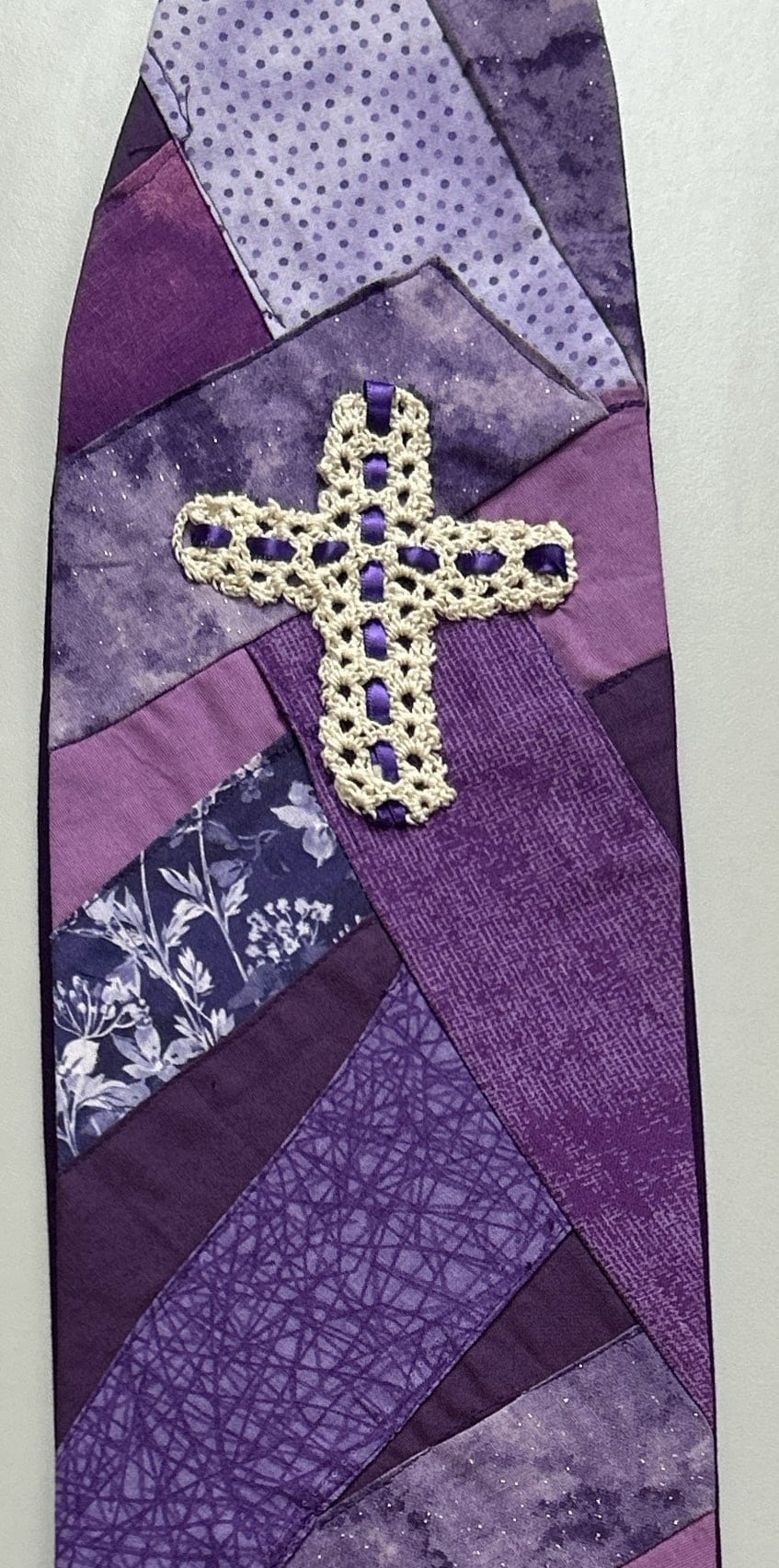
When I thought about sewing my purple stoles, I thought of all the usual things people include. There were designs with various crosses, candles, the mother and child, and of course the scene at Bethlehem. None of these quite spoke to me and my sense of calling to ministry.

You see, one of the most significant ideas about both Advent and Lent, is that both are about God entering into the messiness of human life. So, I used the randomness of the “crazy quilt” design to reflect on this messiness.

And life is certainly messy! We might have all our plans laid out, but in the end stuff happens and it is not always what we planned. We travel through the good times and bad. There are often times that I call “an interesting learning experience,” though usually it was not a learning experience that I wanted in my life.

But why I sewed my stole in this way is that in the midst of all this messiness, God is present. There is nothing that we can encounter that is outside of God’s presence.

And so we have hope.

Purple stole sewn using the "crazy quilt" design.

It’s been a busy week for me. You know, one of those weeks where I was out almost every night (apologies to my dog who had extra time on his own), days where the best laid plans did not happen, and even writing this blog post is suddenly five days too late. My refrain this week has been “I’ll take back the time when things calm down in January.”

It seems in our culture that busyness is almost a source of pride. We expect people to be busy all the time. In more recent times, even our hobbies get turned into a source of income. So many people having one or more “side hustles,” especially with our cost of living crisis that makes any extra income a necessity. Leisure activities for the sake of enjoying them are no longer the right thing to do. Having a time of rest, a Sabbath rest, seems no longer permissible.

Some 2,000 years ago Jesus reminded those around him that Sabbath rest is a gift for people, not the other way around. In his culture a whole range of rules had emerged around observing the Sabbath, and the most important one was forgotten – it was there to ensure that no one was over worked. The Sabbath is a day to take the time out from all the requirements of our daily lives and to enjoy a time of leisure.

In our busy world, especially as we face the lead up to Christmas, where will you find your Sabbath rest?

I often think that using the name “God” has become a bit of a problem in our society. As the theologian Richard Rohr points out for many people their idea of God is a cross between parents and Santa. God becomes the old man in the sky who keeps an eye out and duly rewards or punishes people according to what they do. It comes with many layers of stereotypes. When people tell me they don’t believe in God, I find the god they don’t believe in is the same one that I don’t believe in either.

One of my favourite descriptors for that which we call “God” is the “Divine Source of all Love.” To me, this sums up the nature and relationship we have with God and gets beyond thinking about God in ways that look rather like humans. It also gets beyond issues of gender.

I wonder what other “names” we can give to God that remind us of the bigger picture of who God is without the preconceptions that come from simply saying “God.”

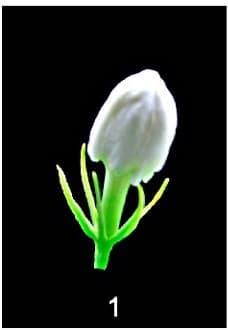
A jasmine bud

I read an article just the other day about how we are increasingly expecting to get new things NOW! Once we would have planned to go to the shops and hunt around until we found the right thing. More recently, the rise of shopping online meant that we might have selected what we want, but then have to wait a few days to get it. Today we can often pay a little more for “expedited delivery” and get it, if not now, then very shortly.

This is relatively OK when we are talking about things, but what about when we are talking about life? Often we hear in the news where people say “now this court case is over, I can move on.” Or the unspoken expectation that after a funeral support is no longer needed (spoiler alert, support is even more important after the funeral when other people forget). We expect that we can move from one state to another almost instantly and our society often supports this idea.

Transition is the psychological journey between two ways of being and it is anything but instant. Change starts with something new being implemented. Transition, on the other hand, starts with the ending – the celebrating or commemorating of the old. Even then it does not move into the something new. There is a time in between, a time of waiting. It is even a time of anxiety and unsettledness when the old is no longer relevant, but we do not know what the new will look like.

As we approach a time of endings and beginnings, how can you make the time to sit with patience between the old and the new? What are the transitions that are needed in your life?

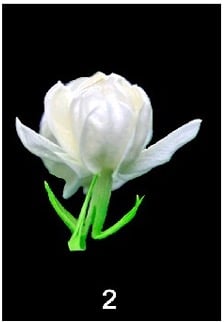
Jasmine in bloom

Last week I received an email asking if I would be a guest speaker at the chapel service at St Aidan’s School early in the school year. This confused me for a moment, until I saw the email address (that ended in “.ca”), and I realised the email had not only gone to the wrong person, but the wrong country. Figuring that a school would probably love to hear from another country, I thought I’d send them a letter in reply. This is what I wrote:

Greetings from St Aidan’s Uniting Church in Perth Western Australia!

The email asking for coming as a guest speaker accidentally came to me, and given I am the other side of the world, it’s a bit far to come for a 10 – 15 minute slot in your chapel service. But I thought being a school, you might like to hear from me anyway as we build relationships and share God’s hope around the world.

You probably know a bit about Australia – koalas, kangaroos and the Sydney Opera House are usually foremost in the minds of people when they hear “Australia.” The younger members of your community probably know “Bluey” and some of the older members may remember hearing in the news about our terrible summer of bushfires in 2019-2020. When we hear of your bushfires in the news, we can relate and often send you our prayers (as well as our firefighters for support).

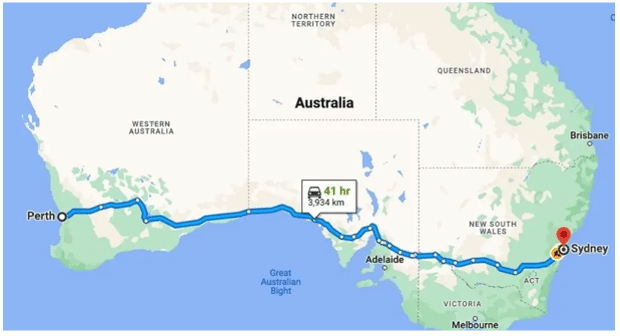
Perth is the opposite side of Australia to all of that (though we do have kangaroos). It’s 4,000km (2,500mi) from here to Sydney. That is like going from your school to Mexico City! Perth is still the most isolated city in the world – our closest neighbour is Adelaide, and that’s about the same distance from you to Washington DC.

I think it’s a beautiful city to live in. We have a very shallow but wide river, which in English is called the Swan River and in Nyungar, the indigenous language of this area, it is called Derbal Yerrigan. I am lucky to live near the river, not far from Matagarup – the meeting place where the waters are shallow enough for people to wade across. 

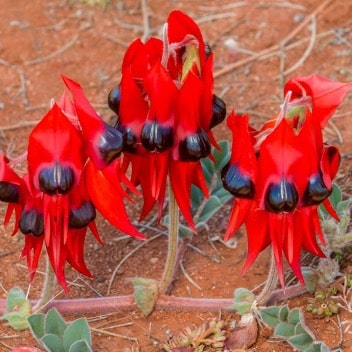
My favourite native flower is called Nooringa, or the Sturt Desert Pea. This is a special flower to me because we find it in some of the driest parts of Australia. It grows where the soil has little food and the land gets few days of rain. Because of this, it reminds me about God’s hope.

Sometimes our life feels like a desert. Things go wrong. We might have an argument with our best friend, or our parents are fighting and we don’t feel safe. There might be all sorts of reasons why life is like a desert. But in that desert there can still be flowers that grow. We can still find moments of beauty or times that give us hope for the future. 

I have learnt many times – both through my study and through my own life – that if I am open to God when bad things happen, God can help me use them. I’m not saying that God made them happen, but God can help me be a better, kinder, more compassionate person, because I can grow from my experiences Sometimes it is hard to trust this will happen – especially when things are going wrong. Sometimes I even get a bit angry with God and say “God, I’ve had enough learning about this! Make it go away!” But as I practice trust and reflect on past experiences, I know it to be true. Like the flower that blooms in the desert, I know there is hope to be found.

My prayer for you all, as you start this new school year, is that you too may experience God’s hope. Life gives us all sorts of unexpected surprises, and not all of them are good. May you gradually see those flowers that bloom in the desert spaces of your lives and may those flowers sustain and support you throughout your good times and bad.

With love and prayers from a very different St Aidan’s to yours.

Dr Elaine Ledgerwood.

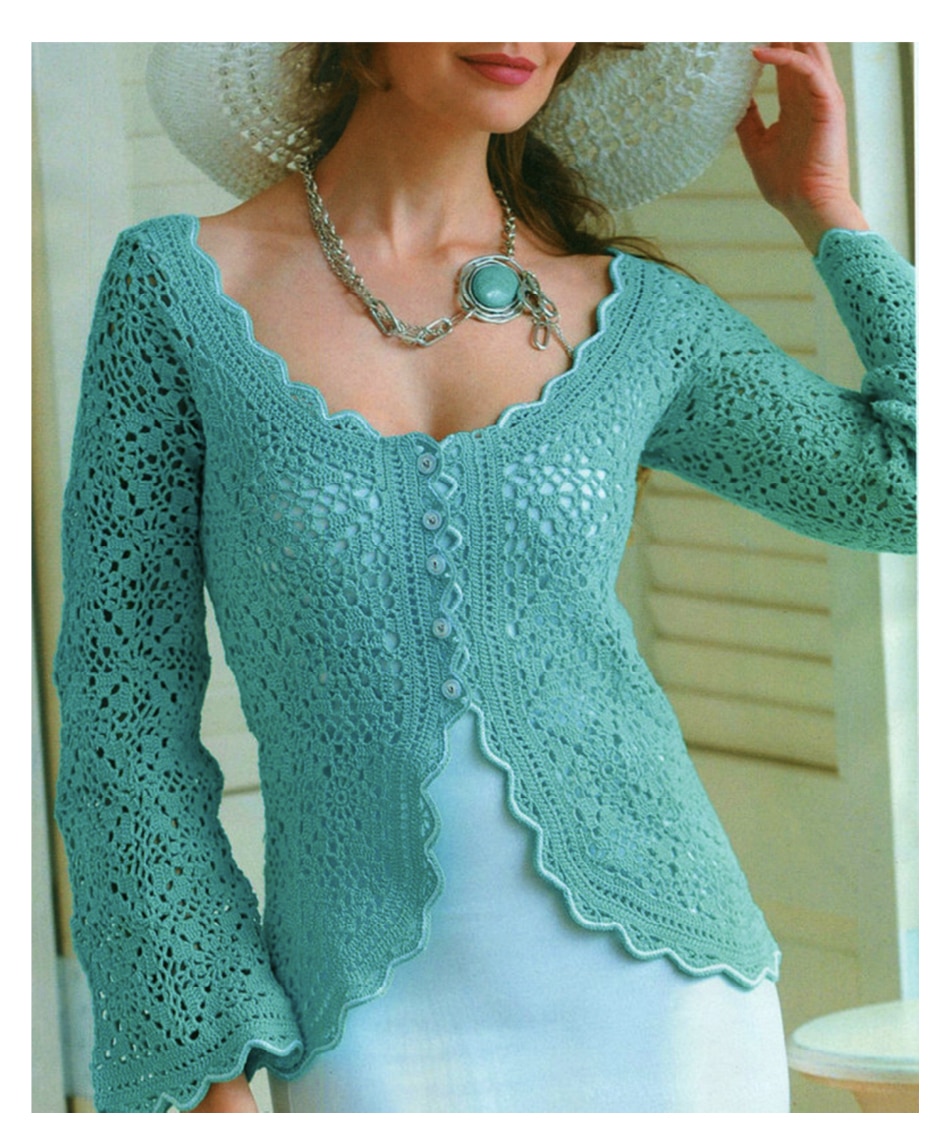
Do you have a hobby? Recently I’ve been enjoying getting back into crocheting. I used to crochet quite a bit, but it left me with sore wrists and that meant I couldn’t do my other (more important) hobby, which is playing music. Well, the equipment for crocheting has changed a bit and now I have hooks that I can use and I’m busily making myself a new top for my concerts.

I find it really satisfying to make something. I start with raw materials and a pattern, then out of all of that comes something to wear. Complements about something I’ve made mean so much more than something I’ve bought in the shops. But I have a problem with this top that I’ve been making. I made it too small and I’ll have to give it away.

Crocheted top

What is it like for you when you give away something you’ve made? I find it rather challenging unless I know the recipient will appreciate how much work went into it. Will the person value it as I do? Will the person know how many hours and hours of work are represented in this gift I am giving.

September is the Season of Creation, a time when we reflect on the gift God gave us in this world in which we live. What an act of love and grace that was to give a good world!

I wonder what it means for us today to truly appreciate the value of this gift we have been given. I wonder if there is anything we might do differently as a result.

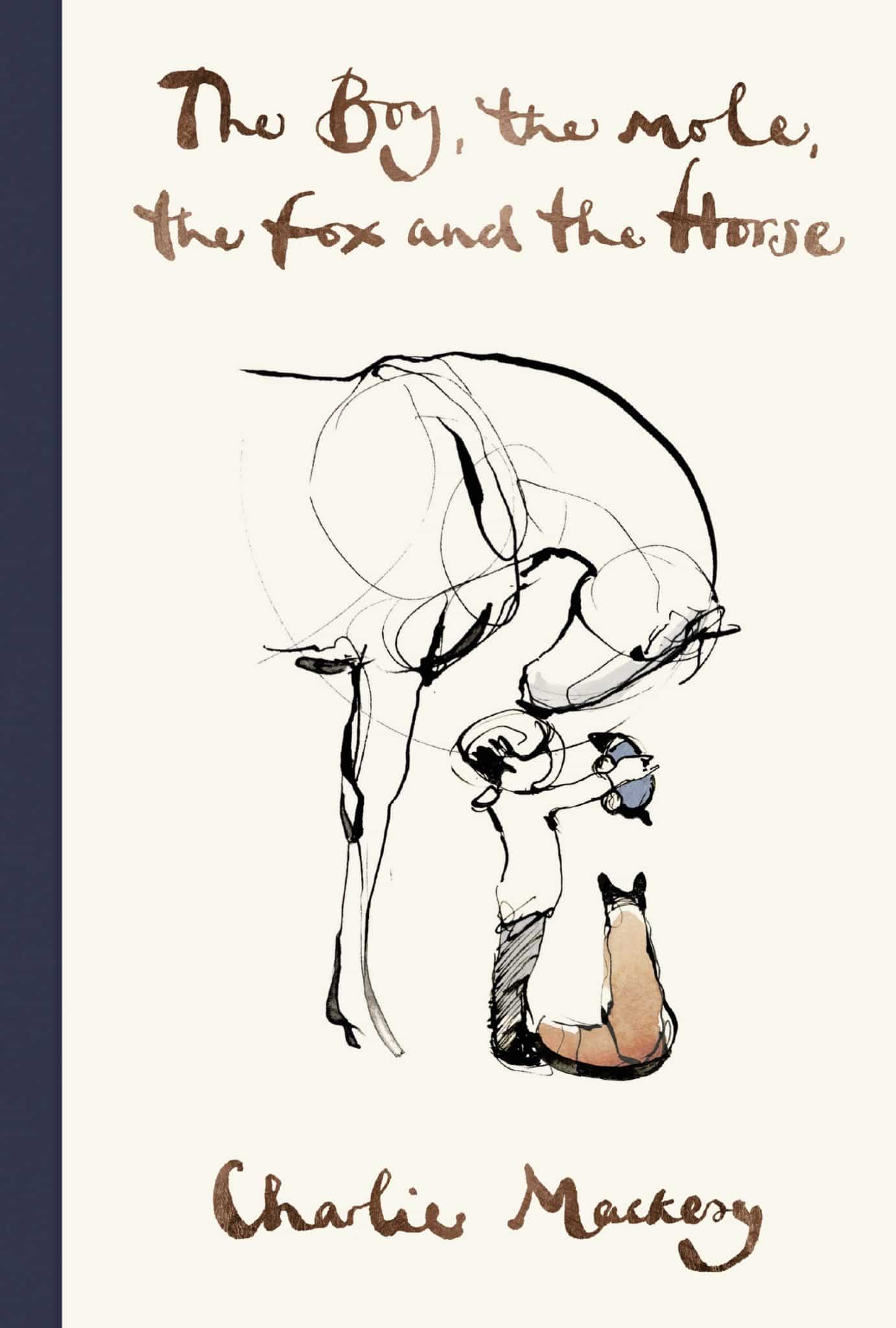
I rather enjoy dipping into this book. It’s not one of those books to read from cover to cover. Rather it is a book to read a few pages at a time and to reflect on the wisdom in what was read.

In one scene the mole says “if first you don’t succeed, have a cake.” Mole likes cake and gets one for the boy… but eats it. So he gets another cake and strangely enough the same thing happens. On the next page, the boy wonders if there is a school of unlearning.

Often we focus on what we learn. This is what most schools test in us. Unlearning can be just as important. We can unlearn bad habits or self-centeredness. We can unlearn being too talkative, especially when someone needs us to listen.

Focusing on learning can be seen as a deficit model – what is missing from our lives. Perhaps the school of unlearning teaches that we are good enough and just need that little bit of shaping.

What is is that you will work to unlearn in your life?

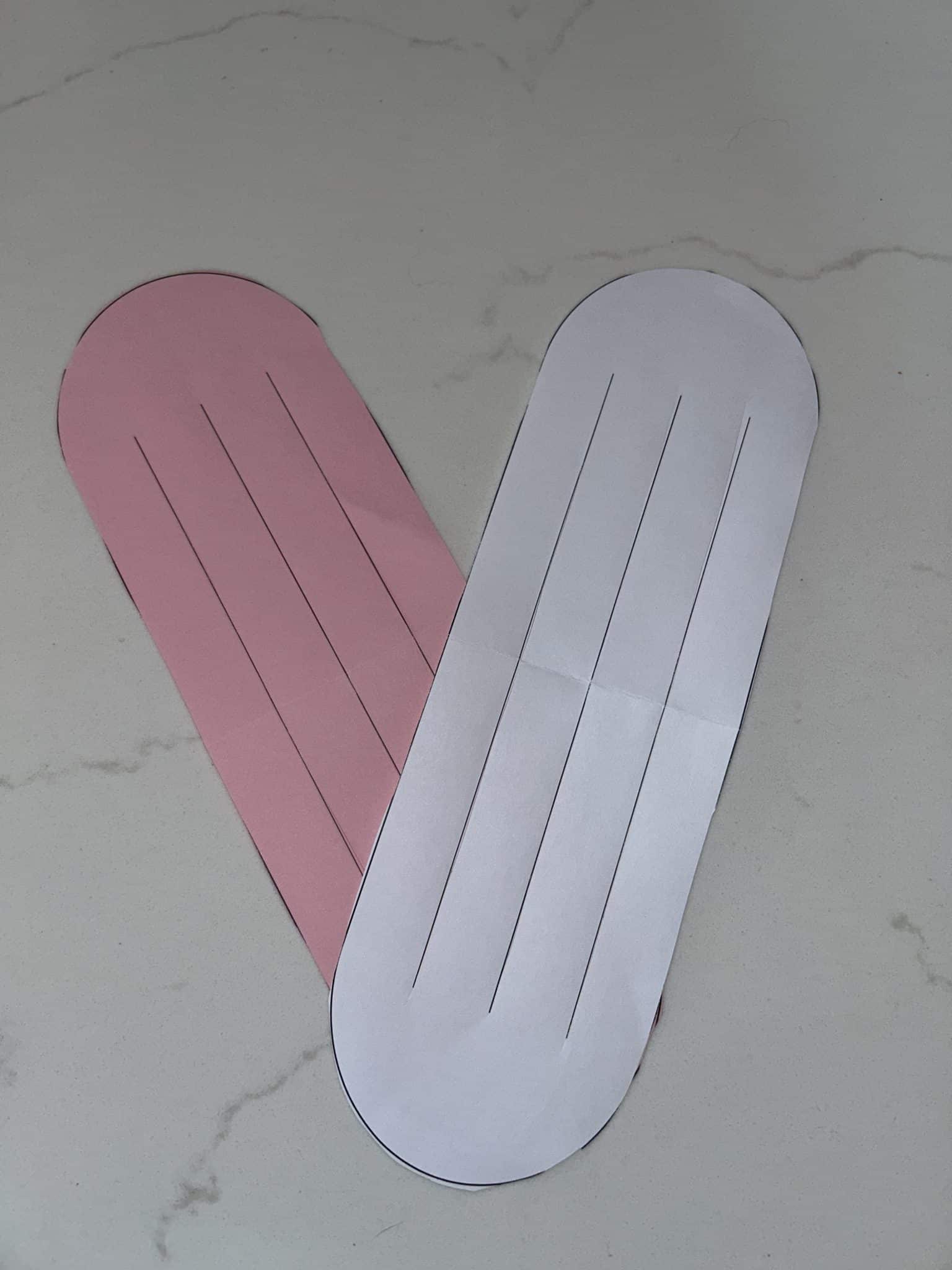
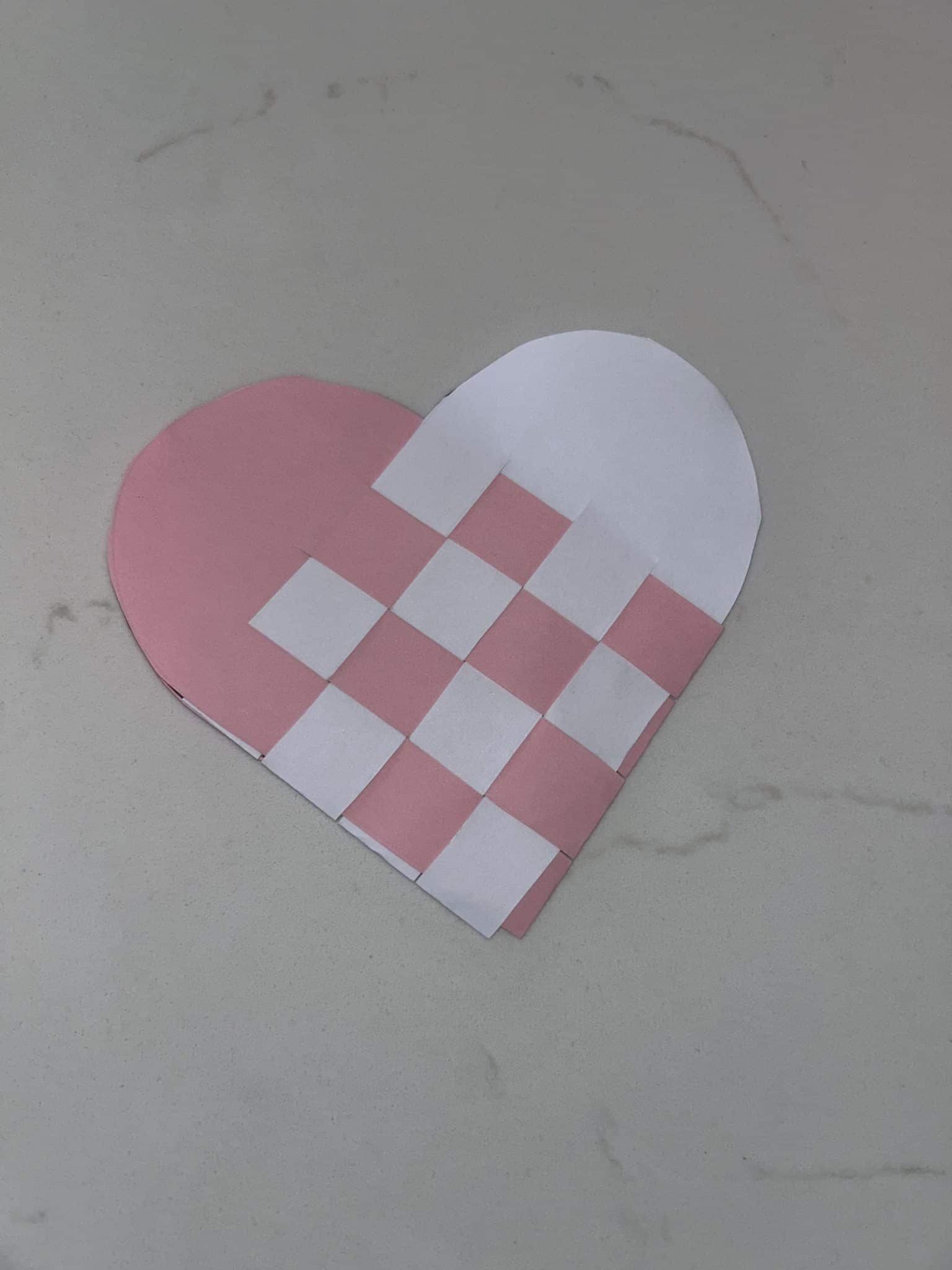
I first came across these woven heart baskets a few years ago when I was looking for a children’s activity. They are a little bit tricky to make, but once you get the hang of them they are quite easy to make (with a bit of perseverance).

They start out not looking like much – just two bits of paper. What good are those two bits of paper, except perhaps for jotting down a shopping list (for those who still use paper for such things), but look at what happens when the two halves are woven together.

I wonder what this could teach us about relationships. 

We could start thinking about how we can be OK on our own, but together we can be something different. We are stronger together. We can communicate a different message – one of love – when we are in relationship. I’m sure there are many more messages from these baskets. They are also rather frustrating… but definitely worth it!

You might like to weave yourself a basket or two and use the activity to reflect on what else they teach you about how you relate to others, to the Divine, and to yourself.

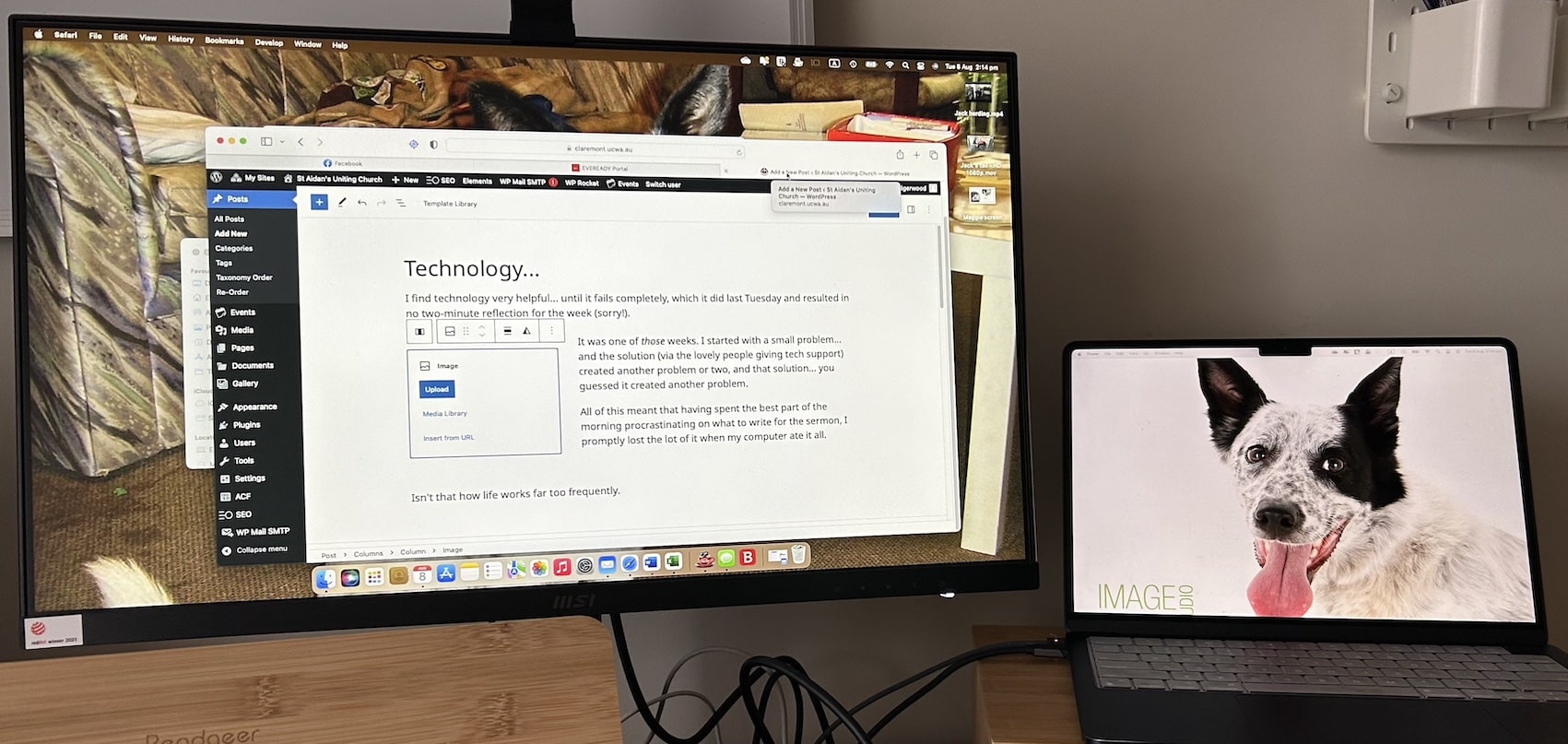
I find technology very helpful… until it fails completely, which it did last Tuesday and resulted in no two-minute reflection for the week (sorry!).

It was one of those weeks. I started with a small problem… and the solution (via the lovely people giving tech support) created another problem or two, and that solution… you guessed it created another problem.

All of this meant that having spent the best part of the morning procrastinating on what to write for the sermon, I promptly lost the lot of it when my computer ate it all. Then there’s the touch of irony that my computer misbehaved as I was trying to upload a photo for this blog.

Isn’t that how life works far too frequently? Small things grow and grow in unpredictable ways. While I’m talking about really annoying things – like technology going wrong – it also happens with other things that often start small. I’m thinking of love, compassion, kindness. One small act of compassion can also grow in unpredictable ways, and like a computer virus, take over and change our lives too. Jesus talked about this idea and he called it the “kingdom of God.”

“Everyone has something special they can do. Sometimes we need help finding out what that is.”

This was approximately the last line of a children’s story I read on Sunday to introduce the theme. I obviously can’t reproduce the story here, but Dusty the Sheepdog is a tale of a kelpie who was an utter failure at being a sheepdog. It turned out he was deaf, so the children trained him to be helpful doing things that don’t need hearing.

Sometimes it is hard to appreciate people’s gifts. Sometimes they get on our nerves and we don’t want to get to know them. Some people are so shy or have been socialised to not show what they have to offer.

Everyone has something special they can do – sometimes we need help finding out what it is. What is your gift? How can you help bring out the gifts of others?

Image of kelpie/border collie cross.